Why Forklift Safety Lighting Is Not Optional in Modern Warehouses
Warehouses are busier than ever. With tighter timelines, increased inventory turnover, and more pedestrian traffic, forklift safety lighting is no longer a “nice-to-have” — it’s essential.
The Real Risk
Forklifts operate in tight aisles, around corners, and near blind spots. Pedestrians often can’t see or hear an approaching lift truck until it’s too late. Standard overhead lighting simply isn’t enough to prevent accidents.
How Safety Lights Reduce Incidents
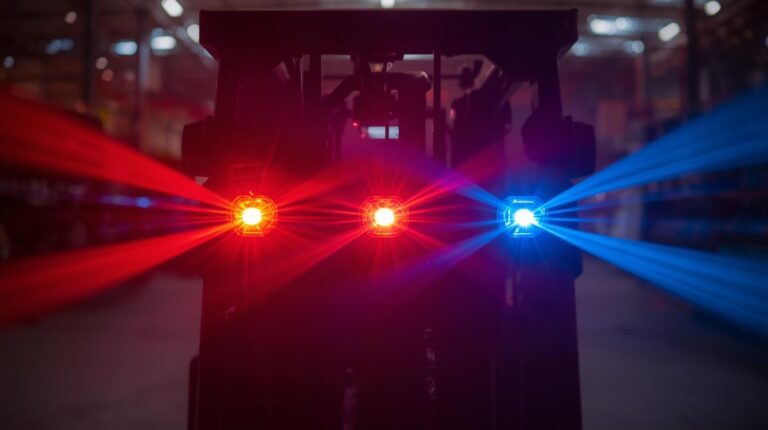
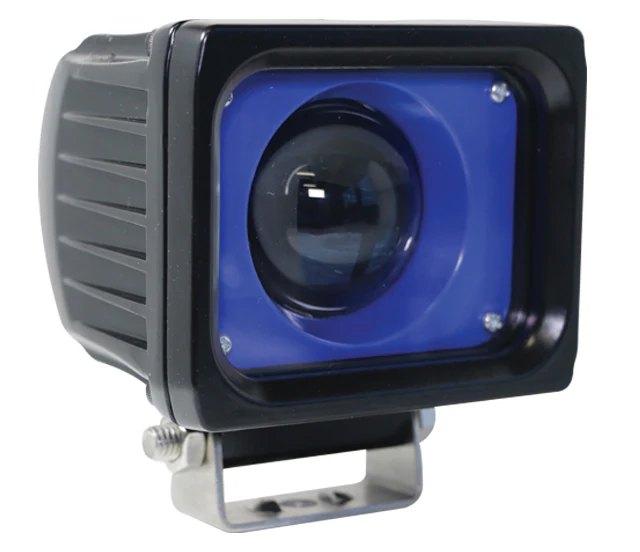
1. Blue Spot Lights Project a bright blue light on the floor 10–20 feet ahead of the forklift, warning pedestrians before the truck arrives.
2. Red Zone Lights Create visible “danger zones” on both sides of the forklift, reinforcing safe walking distances.
3. Strobe & LED Beacons Increase visibility in noisy or low-light environments.
The Bottom Line
Accidents cost far more than prevention. Investing in forklift safety lighting:
Reduces collisions
Improves OSHA compliance
Lowers injury claims
Protects employees
A well-lit forklift is a safer forklift.
BEST PRACTICES
Use a combination of blue and red lights for maximum visibility.
Regularly inspect and clean lights to ensure brightness and proper alignment.
Train operators and pedestrians on what each light means.
Ensure lights are compatible with the forklift’s voltage and mounting system. These lights significantly reduce collision risks and improve overall safety in high-traffic areas.