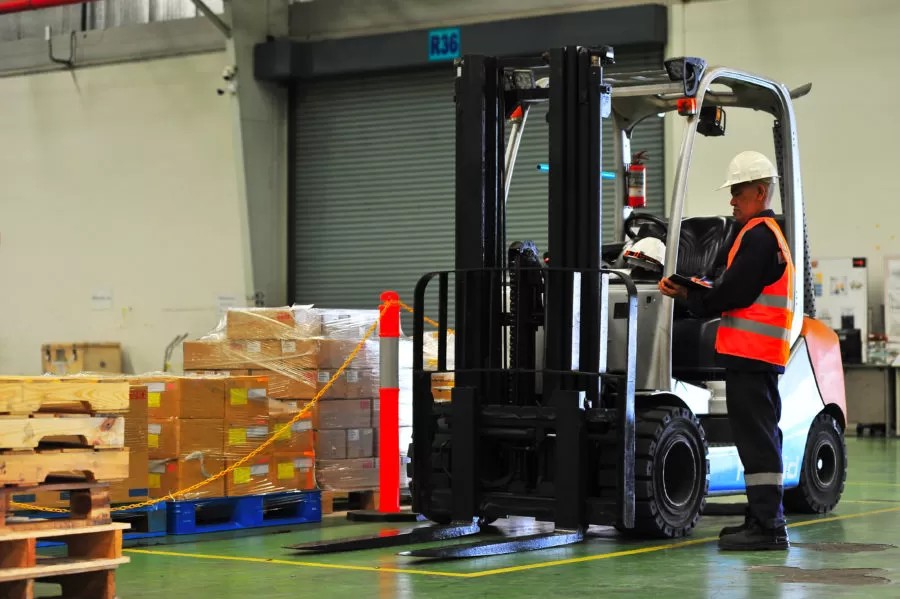
How to Catch Forklift Problems Early with a 3-Minute Inspection
Forklifts work hard every day—and most breakdowns or safety issues don’t happen all at once. They start small. A simple 3-minute inspection at the start of each shift can help catch problems early, reduce downtime, and keep operators safe.
Why Early Detection Matters
Catching forklift issues early helps prevent unexpected breakdowns, workplace accidents, costly emergency repairs, and failed safety audits. Small problems are easier—and cheaper—to fix when identified early.
3-Minute Forklift Inspection
1. Walk Around (1 Minute)
• Check for fluid leaks under or around the forklift
• Inspect forks and mast for cracks, bends, or damage
• Look for loose or missing bolts
• Inspect tires for wear, damage, or uneven tread
2. Safety & Controls Check (1 Minute)
• Ensure seatbelt is secure and functional
• Test horn and lights
• Check brakes and steering response
• Watch for dashboard warning lights
3. Power & Lift Test (1 Minute)
• Test lift and lower functions for smooth movement
• Tilt the mast forward and back
• Listen for unusual noises or vibrations
• Check battery or fuel levels
If You Spot a Problem
Report issues immediately, even if they seem minor. Tag out unsafe equipment, log the issue for maintenance, andnever operate a forklift with a known safety concern.
Make It a Habit
Consistency is key. Use a simple checklist, train operators on the importance of inspections, and encourage a culture where reporting problems is supported. Three minutes per shift can prevent hours of downtime later.